
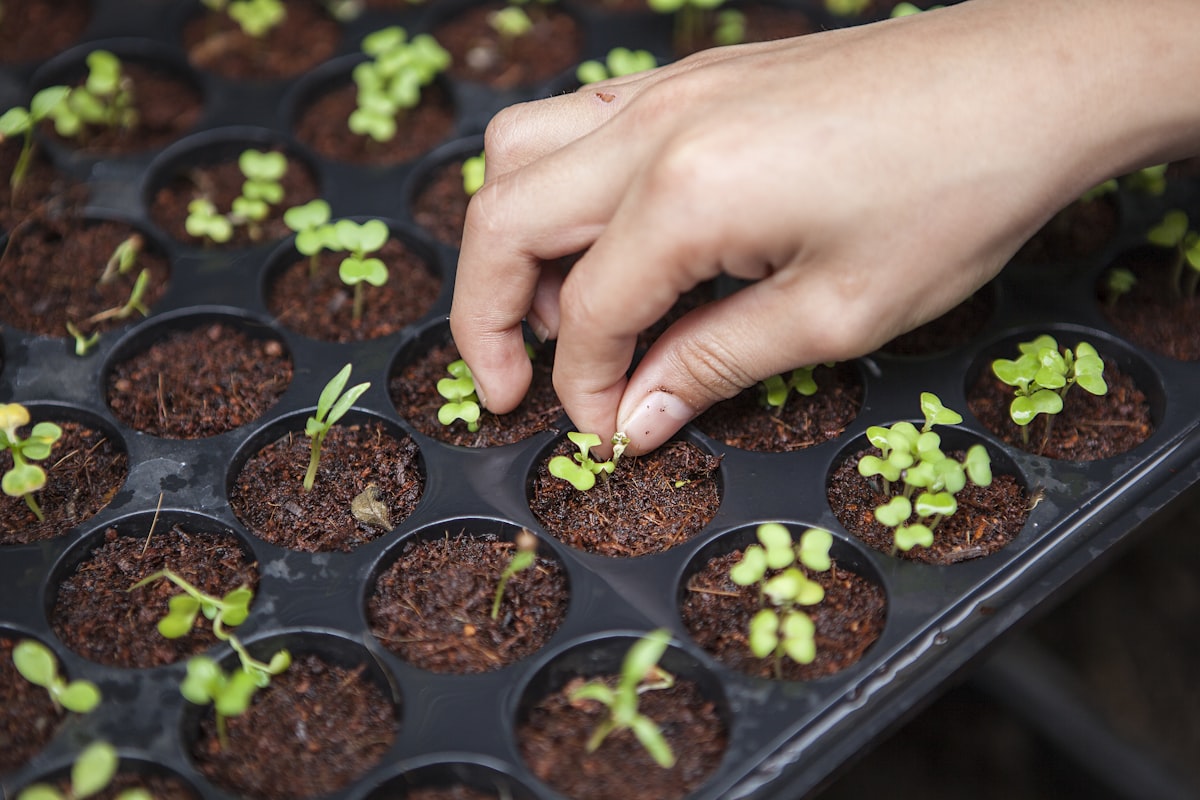
Cities are notorious for trading green canopies for concrete corridors. Over the last decade, however, an informal architectural rebellion has taken root: urban micro-gardening. From fire escape tomato patches to retrofitted community rooftops, small-scale cultivation is altering microclimates, lowering ambient heat, and rewiring neighborhood social dynamics.
Why Inches Matter More Than Acres
Traditional agricultural models prioritize continuous acreage and centralized irrigation. Micro-gardening flips that logic by treating fractured, vertical, and residual space as viable soil:
- Thermal regulation: Dense balcony foliage can reduce localized exterior wall temperatures by up to 3°C during peak summer months.
- Stormwater buffering: High-density planter networks absorb sudden runoff before it overwhelms municipal drainage grates.
- Pollinator corridors: Small planter boxes every two blocks provide vital resting waypoints for native bees crossing urban deserts.
"A square foot of healthy soil on the fourth floor does identical biological work to a square foot on the ground level. Gravity is the only variable."
Media Embed Placeholders
Use these mock assets to test inline media nodes, captions, and responsive wrappers:
Test Image (Unsplash placeholder):
Test Video Embed (YouTube standard format):
Structural Breakdown: Space vs. Yield
System Type
Ideal Space Required
Primary Challenge
Expected Harvest Cycles/Year
Vertical Trellis
Wall space only (< 2 sq ft footprint)
Structural load & anchor fatigue
2–3 cycles (greens, beans)
Sub-Irrigated Planters
Windowsills / narrow balconies
High evaporation rates
Continuous root crops
Modular Fabric Beds
Rooftops / decommissioned lots
Wind shear exposure
1–2 seasonal cycles
Routine Maintenance Walkthrough
- Check morning soil moisture: Test knuckle-deep; elevated containers dry out twice as fast as ground beds due to wind exposure.
- Inspect lower leaf foliage: Look for yellowing margins, which indicate poor container drainage rather than under-watering.
- Prune aggressively: Dense growth in confined airflow invites powdery mildew. Keep the center of each planter open to direct sunlight.
- Replenish organic topdressing: Scratch worm castings or compost into the top inch of soil every four weeks to sustain nutrient density.